Category: Roofing

  • Roof Replacement Cost in Highland Park, NJ (2026 Guide)

    Roof Replacement Cost in Highland Park, NJ (2026 Guide)

    roof replacement cost Highland Park NJ Eleven Exterior

    If you’re researching roof replacement cost in Highland Park, NJ, you’re not alone. You’ve probably noticed that roof replacement costs have shifted over the past few years. Material prices, labor availability, and supply chain changes have all played a role. If you’re budgeting for a new roof in 2026, here’s what you actually need to know — from a contractor who works in this market every day.


    Roof Replacement Cost in Highland Park NJ — 2026 Breakdown

    For most homes in Highland Park and surrounding Middlesex County communities, a full asphalt shingle roof replacement runs between $8,500 and $18,000, depending on the size and complexity of the roof. Larger homes, steeper pitches, and premium materials push costs toward the higher end.

    These numbers reflect real 2026 market conditions in central New Jersey — not national averages that often underestimate local labor and material costs.


    5 Factors That Affect Roof Replacement in Highland Park

    1. Roof Size and Pitch Roofing is priced by the square (100 sq ft). A typical Highland Park home runs 20–30 squares. Steeper roofs require additional safety equipment and slow down installation — both increase labor cost.

    2. Material Choice Architectural asphalt shingles are the most common and cost-effective option for NJ homes. As an Owens Corning Preferred Contractor, Eleven Exterior installs Duration series shingles — a premium architectural shingle backed by a manufacturer warranty that’s only available through certified contractors. Metal roofing and premium designer shingles carry higher upfront costs but extend roof life significantly.

    3. Decking Condition Once old shingles are removed, the underlying decking is inspected. Rotted or damaged decking boards must be replaced before new shingles go down. This is rarely visible from the ground — a written inspection report tells you exactly what’s underneath before work begins.

    4. Complexity — Valleys, Flashing, and Penetrations Every chimney, skylight, vent, and valley adds time and material to the job. Proper flashing installation around these areas is one of the most common failure points on roofs that were installed incorrectly. It’s also one of the areas where cutting corners shows up fastest.

    5. Storm Damage and Insurance If your roof sustained hail or wind damage, your homeowner’s insurance may cover part or all of the replacement cost. Eleven Exterior prepares photo documentation and damage reports formatted for insurance adjusters — with FAA-licensed drone capability for complete coverage. A proper claim starts with a proper inspection.


    What Drives Costs Up in New Jersey Specifically?

    New Jersey’s climate creates specific demands on roofing systems. Freeze-thaw cycles through winter, nor’easters, and summer heat all stress materials differently than in milder climates. This means proper underlayment, ice and water shield installation, and ventilation aren’t optional — they’re what separates a roof that lasts 25 years from one that fails in 10.

    Labor costs in Middlesex County also reflect the local cost of living. A quote that’s significantly below market is worth scrutinizing — it usually means shortcuts somewhere in the system.


    How to Get an Accurate Number for Your Home

    National cost calculators give you a range. A written inspection gives you a number.

    At Eleven Exterior, every estimate starts with a free on-site roof inspection — documented with photos and a written report. You’ll know the condition of your decking, flashing, ventilation, and shingles before we discuss a single price. No upsells. No pressure. Just a straight answer on what your roof needs and what it will cost.

    We’re a family-owned contractor based in Highland Park, licensed in NJ and PA, and have served Middlesex County homeowners since 2006. As an Owens Corning Preferred Contractor and Google Guaranteed business, every installation we do is backed by manufacturer certification — not just our word.


    Schedule Your Free Roof Inspection Today

    If you’re planning a roof replacement in 2026, the best time to schedule is before spring — when demand peaks and wait times grow.

    Eleven Exterior — Highland Park, NJ

    📞 NJ: 201-800-5856

    Free inspection. Written report. Honest recommendation.

  • Spring Exterior Inspection Checklist for New Jersey Homes

    Spring Exterior Inspection Checklist for New Jersey Homes

    Spring exterior view of a New Jersey home with roof siding and gutters

    A spring home inspection in New Jersey is the fastest way to catch winter damage before it becomes a costly repair.

    Spring is one of the best times also to inspect your home’s exterior in New Jersey. Snow, wind, freezing temperatures, heavy rain, and repeated freeze-thaw cycles can all take a toll on roofing, siding, and gutters. Even when everything looks fine from the ground, winter damage can stay hidden until it turns into a leak, staining, or a bigger repair.

    For homeowners in Highland Park, Edison, Piscataway, Metuchen, East Brunswick, and nearby parts of New Jersey, a spring exterior inspection is a practical way to catch problems early and protect both your home and your budget.

    Why a Spring Home Inspection New Jersey Homeowners Shouldn’t Skip

    Winter can stress every part of a home’s exterior. Roofing materials expand and contract with temperature changes. Wind can loosen shingles. Snow and ice can expose weak points around flashing, edges, and drainage systems. Siding and stucco can develop cracks or surface damage. Gutters can fill with debris and stop draining properly.

    By spring, those issues often become easier to spot. This makes it the ideal season to check for damage before the heavier rains and summer storms arrive.

    Scheduling a spring home inspection in New Jersey early means shorter wait times and faster repairs before summer.

    Spring Home Inspection New Jersey — What to Check First

    Storm damaged in spring exterior inspection NJ by Eleven Exterior showing lifted and missing shingles.

    The roof is usually the first place homeowners think about after winter, and for good reason. It protects the rest of the house, and even a small issue can lead to interior damage if ignored.

    Here are some of the most common signs to look for:

    • Missing, lifted, or damaged shingles
    • Dark spots or unusual wear patterns
    • Flashing issues
    • Signs of leaks inside the home

    Missing, lifted, or damaged shingles

    Strong winds and winter weather can loosen or damage shingles. If you notice missing sections, curling edges, cracked shingles, or areas that look uneven, it may be time for a closer inspection.

    Dark spots or unusual wear patterns

    Discoloration, exposed areas, or sections that look worn differently from the rest of the roof can suggest aging or weather-related damage.

    Flashing issues after winter

    Roof flashing around pipe flashing on residential home.

    Check areas around chimneys, vents, skylights, and roof transitions. These are common places where water can get in if flashing has loosened or deteriorated.

    Signs of leaks inside the home

    20230511 090241

    Sometimes the first clue of roof damage appears indoors. Water stains on ceilings, peeling paint, damp attic insulation, or musty smells may all point to a roof issue.

    Siding and Exterior Walls — New Jersey Spring Inspection Guide

    Old vinyl siding on exterior wall with detached siding panels shown in spring exterior inspection NJ Eleven Exterior

    Spring is also a good time to inspect the visible surfaces of your home. Siding problems are often easier to catch from eye level, and early action can help prevent more expensive repairs later.

    Look for cracks, warping, or loose panels

    Vinyl and other siding materials can shift or loosen over time. Look for sections that appear bent, separated, or damaged.

    Watch for fading, staining, or moisture marks

    Water streaks, discoloration, or peeling paint around the exterior may indicate drainage issues or trapped moisture.

    Inspect trim and caulking around windows and doors

    Gaps around windows, doors, and trim can allow water intrusion. Spring is a good time to check whether these sealed areas still look intact.

    Why New Jersey homeowners should inspect stucco every spring

    1443b before (2)default
    In some cases, repeated stucco repairs lead homeowners to consider siding replacement for a cleaner, lower-maintenance exterior.

    Stucco problems are not always just cosmetic. Cracks and moisture exposure can lead homeowners to consider whether repairs are enough or whether replacement with a lower-maintenance option like vinyl siding or Hardie siding makes more sense.

    Pay Close Attention to Stucco

    Close-up inspection of damaged stucco siding showing cracking and wear in spring exterior inspection NJ Eleven Exterior

    Stucco can look solid even when problems are starting beneath the surface. That is why spring inspections are especially important for homes with stucco exteriors.

    Common stucco warning signs in NJ homes

    Look for hairline cracks, larger cracks, staining, bubbling, soft spots, or areas that appear to hold moisture. While some surface issues may seem minor, repeated cracking or visible moisture signs should not be ignored.

    Spring Home Inspection New Jersey — Don’t Overlook the Gutters

    Clogged rain gutter overflowing with water on residential roof.

    Gutters are easy to forget until they overflow. But in spring, they are one of the most important parts of the home to inspect because they affect how water moves away from the roof and foundation.

    Signs of gutter problems after a New Jersey winter

    Check for sagging sections, loose fasteners, overflow marks, standing debris, and downspouts that are not draining properly.

    Why clogged gutters matter for NJ homes

    When gutters are blocked, rainwater can spill over the sides instead of draining away from the house. Over time, that can contribute to siding stains, soil erosion, and moisture problems around the foundation.

    When gutter guards may help

    Premium gutter guard installed on residential gutter system.

    If your gutters clog often because of leaves and debris, spring is a good time to consider gutter guards. They can help reduce buildup and make maintenance easier, especially for homes in tree-heavy neighborhoods.

    Spring Home Inspection New Jersey — Don’t Miss Storm Damage

    In New Jersey, homeowners often think of storm damage as obvious damage. But after strong wind, heavy rain, or hail, the most important issues are not always easy to see from the ground.

    A roof may look mostly normal while still having loosened shingles, minor impact damage, or weak points that can lead to leaks later. That is why a spring inspection matters even if your home does not look badly affected.

    Spring Home Inspection Checklist — New Jersey Roof, Siding, and Gutters

    What to expect from a spring home inspection in New Jersey

    Use this checklist as a starting point:

    • Look for missing, cracked, or lifted shingles
    • Check ceilings and attic spaces for water stains or dampness
    • Inspect flashing around chimneys, skylights, and vents
    • Walk around the house and look for siding damage or gaps
    • Check stucco for cracks, discoloration, or signs of moisture
    • Clean and inspect gutters and downspouts
    • Watch for overflow marks or drainage problems near the foundation
    • Note any exterior changes that appeared after winter storms

    Spring Home Inspection New Jersey — Repair or Replace?

    One of the biggest questions homeowners ask is whether a problem needs a simple repair or a full replacement. The answer depends on the age of the material, the extent of the damage, and whether issues are isolated or recurring.

    A small repair may be enough in some cases. In others, repeated patching can become less practical than replacement. The right next step usually starts with a clear inspection and an honest explanation of what was found.

    Protect Your New Jersey Home Before Small Problems Grow

    4069m before 2

    Your home is both an investment and the place your family lives every day. A spring exterior inspection is one of the simplest ways to stay ahead of larger roofing, siding, stucco, and gutter problems.

    For homeowners in Highland Park, NJ and surrounding areas, checking your home after winter can help catch hidden damage before it leads to leaks, staining, or more expensive repairs.

    Contact Eleven Exterior for a Free Spring Inspection

    If you are in Highland Park, Edison, Piscataway, Metuchen, East Brunswick, or nearby New Jersey areas and want help checking your roof, siding, or gutters, now is a good time to schedule a spring exterior inspection.

    Owens Corning Preferred Contractor

    Call Us: 201-800-5856

    Email: info@elevenexterior.com

    Eleven Exterior roofing and siding company logo
    Proudly serving New Jersey & Pennsylvania homeowners since 2006.
  • How Much Does a New Roof Cost in Essex County, NJ? (2026 Update)

    How Much Does a New Roof Cost in Essex County, NJ? (2026 Update)

    If you’re researching roof replacement cost in Essex County, NJ, here’s what homeowners in Livingston, Montclair, and surrounding towns are paying in 2026.

    As of 2026, the average cost for a 1,700 sq. ft. asphalt shingle roof in Essex County ranges from $7,300 to $11,900+. That number can rise or fall depending on your roof’s material, size, slope, shape, and local building codes.

    At Eleven Exterior, we provide free roof replacement estimates tailored to your home, but here’s what you need to know about the key factors that affect roof pricing in New Jersey.

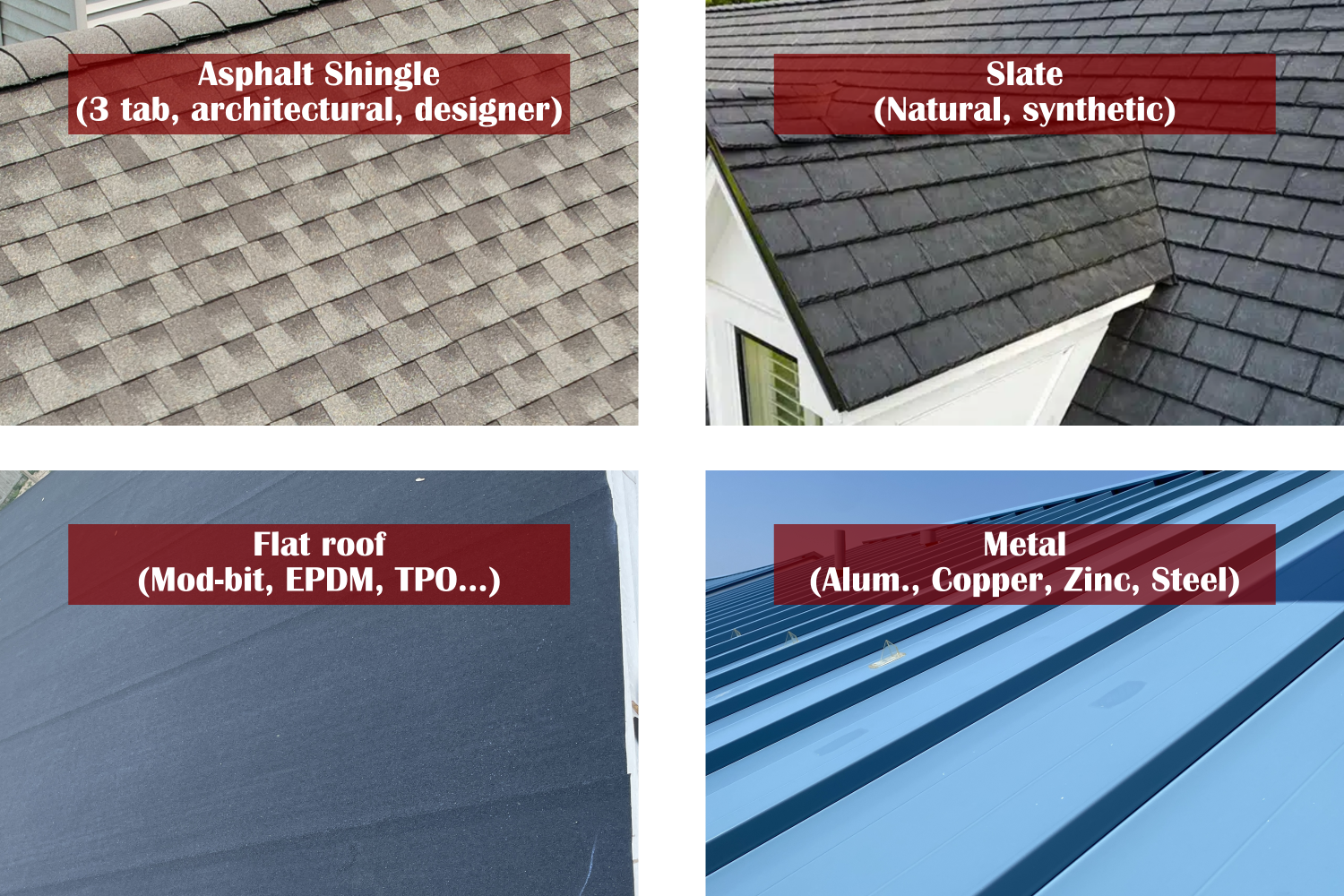
    Types of roofing materials including asphalt shingles, slate, flat roofing systems (modified bitumen, EPDM, TPO), and standing seam metal.

    1. Roofing Materials: Big Impact on Price in Roof Replacement Essex County

    Homeowners researching roof replacement in Essex County often ask whether spring or fall is the better time to schedule.

    When planning a roof replacement, one of the biggest factors influencing cost is the roofing material you choose. Each material has a different price range, expected lifespan, and unique advantages. Below is a 2026 cost comparison chart showing what homeowners in New Jersey can expect to pay for popular roofing options, from affordable asphalt shingles to premium slate and modern flat roof systems like TPO.

    MaterialInstalled Cost per sq ftInstalled Cost (1,700 sq ft)LifespanKey Pros / Cons
    Asphalt Shingles$4.50 – $9.70+ (designer)$6,800 – $16,490+15–30 years✅ Affordable, widely available; architectural shingles more durable than 3-tab.
    ❌ Vulnerable to freeze-thaw and severe weather.
    Metal (Standing Seam)$8.50 – $17+$13,600 – $28,900+50–100+ years✅ Extremely durable, fire-resistant, energy-efficient; withstands snow & storms.
    ❌ High upfront cost, repairs expensive.
    Cedar Shakes$8.50 – $15$13,600 – $25,50030–50 years✅ Premium natural aesthetic, good insulation value.
    ❌ High cost, high maintenance.
    Slate Tiles$10 – $30+$17,000 – $51,000+50–200+ years✅ Incredibly long-lasting, fire-resistant, premium look.
    ❌ Very heavy, costly, requires reinforced roof structure.
    Modified Bitumen (Flat Roofing)$4.50 – $8.5$6,800 – $13,60010–20+ years✅ Durable, puncture-resistant, ideal for flat/low-slope roofs.
    ❌ Dark colors absorb heat, torch-down requires skilled install.
    EPDM (Flat Roofing)$4.50 – $12$6,800 – $20,40020–30 years✅ Highly durable, weatherproof, low-maintenance.
    ❌ Limited energy efficiency, mainly for flat/low-slope roofs.
    TPO (Flat Roofing)$6 – $9.50$9,350 – $16,15015–30 years✅ Reflective & energy-efficient, cost-effective, easier to install.
    ❌ Lifespan concerns, heat/seam vulnerabilities, quality varies by installer.

    Asphalt Shingles: Still the most budget-friendly. In towns like Livingston or North Caldwell, many homeowners choose architectural shingles for a balance of cost and style.

    Metal Roofing: Gaining popularity in Upper Montclair for its sleek look and long lifespan. Costs more upfront but can last 50–100+ years.

    Cedar Shakes: Add timeless curb appeal, often seen on homes in Essex Fells. They also provide natural insulation but need consistent upkeep to resist New Jersey’s weather.

    Slate Tiles: A luxury choice for historic and high-end homes in Short Hills, slate delivers unmatched elegance and can last more than a century when installed properly.

    Modified Bitumen: Commonly installed on flat or low-slope roofs in places like Glen Ridge, this material is tough, puncture-resistant, and ideal for urban settings.

    EPDM: A proven flat roofing system, EPDM is durable, flexible, and low-maintenance—often used on commercial or residential flat roofs throughout Essex County.

    TPO: A newer option gaining traction in Roseland and surrounding areas for its energy efficiency and cost-effectiveness. While reflective and budget-friendly, long-term performance can vary by manufacturer and installation quality.


    2. Roof Size: How Much Materials and Labor Are Required?

    The size of your roof is one of the biggest cost factors in any replacement project. Larger roofs naturally require more shingles or flat roofing membranes, underlayment, nails, flashing, and labor hours to install properly. For example, a 2,500 sq. ft. home in Livingston will cost more to re-roof than a 1,500 sq. ft. home in Glen Ridge, simply because of the extra materials and time involved.

    Aerial view of a new asphalt shingle roof replacement in Essex County NJ Eleven Exterior

    Roof size is usually determined using aerial imaging technology or on-site inspections, ensuring accurate measurements before work begins.

    Labor requirements also scale with roof size. Bigger homes may require larger crews or more experienced installers to complete the job on time and maintain quality. Additional factors like roof accessibility, weather conditions, and seasonal demand can further affect labor costs.


    3. Roof Pitch: Steepness Adds Complexity

    The pitch (slope) of your roof also plays a major role in cost. Pitch is expressed as a ratio (e.g., a 4/12 pitch rises 4 inches for every 12 inches of horizontal span).

    Eleven Exterior roofing contractor measuring residential roof pitch with a pitch gauge. in Essex County NJ
    • Steeper roofs (common in Short Hills or Essex Fells) shed rain and snow more effectively and can improve ventilation while creating extra attic or storage space. However, they require more safety equipment and labor hours, which increases installation costs.
    • Low-slope or shallow roofs (more typical in Roseland) are easier and less expensive to work on, but may require special materials to prevent issues like ponding water, leaks, or ice dams in the winter.

    In short: the steeper the roof, the higher the labor and safety costs.


    4. Roof Shape: Complexity Matters

    Your roof’s shape and architectural design can significantly impact replacement costs. Simple gable roofs are quick and affordable to install, while more complex designs with multiple angles or decorative features require extra time, cutting, and flashing.

    Illustration of common residential roof types including gable, hip, mansard, gambrel, shed, and flat designs.

    Here are a few common roof types found in Essex County, NJ:

    • Gable Roofs: Classic triangular design, cost-effective, sheds water and snow easily.
    • Hip Roofs: Slopes on all four sides; strong in high winds but more labor-intensive.
    • Mansard Roofs: Double slopes on each side; provide additional living space but increase complexity.
    • Gambrel Roofs: Barn-style design offering extra attic storage; popular in older homes.
    • Flat & Shed Roofs: Modern and minimalist, common in Glen Ridge and Roseland additions; specialized flat roofing materials like Modified Bitumen, EPDM, or TPO.

    The more intricate your roof shape (with dormers, skylights, or chimneys), the more materials and labor are required to ensure proper waterproofing and durability.


    FAQs: Local Roofing Cost Factors in Essex County

    Q: How much does roofing labor cost in Essex County, NJ?
    A: Labor usually makes up more than half the project cost, averaging $2.5–$10 per sq. ft., depending on roof size and complexity.

    Q: How much does roof tear-off and disposal add to the cost?
    A: Removing additional old roofing adds about $0.50–$2 per sq. ft. Homes with multiple layers/heavy materials will pay more for disposal.

    Q: Do HOAs in Essex County affect roofing costs?
    A: Yes. Communities in towns like Short Hills and Essex Fells may require specific roof colors, shingle types, or styles limiting affordable options.

    Q: Why does weather resilience matter for Essex County roofs?
    A: Roofs must be built to handle Nor’easters, snow, and freeze-thaw cycles. Proper ventilation and sealing help extend roof lifespan.


    Get a Free Roof Estimate in Essex County

    If you’re asking yourself, “How much does a new roof cost in Essex County, NJ?” — the truth is, every home is different. Roof costs depend on materials, size, pitch, and shape, as well as local labor rates and weather conditions.

    At Eleven Exterior, we make the process simple. Our team provides free roof inspections and detailed estimates so you can budget confidently, avoid surprises, and choose the right material for your home. Our goal is to give homeowners clear, honest information so you can feel confident making the best decision for your home.

    Ready to get an accurate quote for roof replacement in Essex County, NJ? Start with a free inspection.

    Whether you live in Short Hills, Essex Fells, Livingston, Upper Montclair, Glen Ridge, North Caldwell, or Roseland, we deliver roofs built to last — always with:

    • ✅ Clean job sites
    • ✅ Honest, upfront pricing
    • ✅ Licensed, insured, and certified professionals

    📞 201-800-5856

    Eleven Exterior is a family-owned father & son roofing company, proudly Owens Corning Preferred Contractor and Google Guaranteed.

    Eleven Exterior roofing and siding company logo
    Proudly serving New Jersey & Pennsylvania homeowners since 2006.
  • Is Now the Right Time for a New Roof? Insights for Monmouth County Homes

    Is Now the Right Time for a New Roof? Insights for Monmouth County Homes

    Understanding roof replacement timing in Monmouth County can save you from replacing too early — or waiting too long.

    Your roof is more than just shingles—it’s the first line of defense against New Jersey’s unpredictable weather. For homeowners across Monmouth County—whether you’re in Locust, Colts Neck, Holmdel, Fair Haven, Millstone Township, Marlboro, Shrewsbury, Middletown, Red Bank, Belford, Allentown, Freehold, Cream Ridge, Hazlet, or Matawan—the big question often is: When should I replace my roof?

    The answer isn’t the same for everyone. It depends on the type of roof you have, its age, and how our shoreline climate impacts your home. In this guide, we’ll walk you through roof lifespans, seasonal timing, and local factors so you can make the best decision for your property.

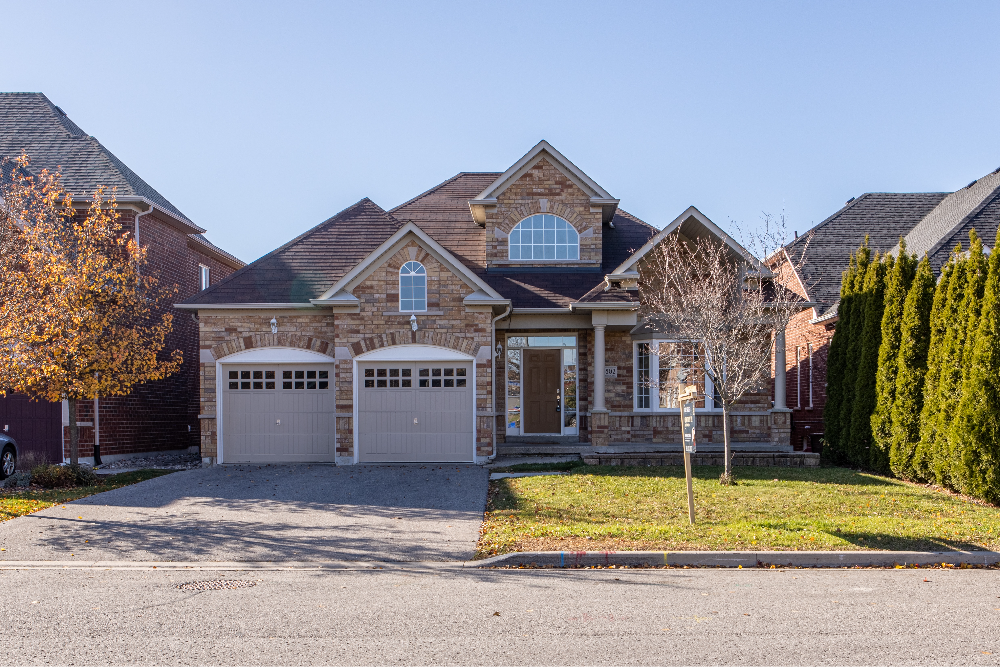
    Front view of a well-maintained house representing roof replacement for Monmouth County NJ homes

    Roof Replacement Timing in Monmouth County — Pro Tip

    While late summer and fall are the busiest roofing seasons in New Jersey, scheduling in late winter or early spring often means shorter wait times and potential off-season discounts.


    How Monmouth County Homeowners Know It’s Time to Replace

    Homeowners across Monmouth County asking about a new roof in Monmouth County NJ typically fall into this situation.

    Most Monmouth County homeowners asking about roof replacement in Monmouth County are dealing with a roof that’s 15–25 years old.

    Knowing how long different roofing systems last can help you plan ahead:

    Close-up of brown architectural asphalt shingles with layered, dimensional texture on a residential roof.

    Asphalt Shingles (20–35+ years): With a layered design that creates a dimensional look, these shingles offer durability, versatility in color, and resistance to wind and rain. Architectural asphalt shingles typically last 20–35 years, making them a cost-effective and attractive choice for residential roofing projects. The most popular roofing material for Monmouth County, especially in Freehold and Marlboro.

    Close-up of natural cedar wood shake roof with textured surfaces and staggered rows along a clean ridge line.

    Wood Shake (15–30+ years): A premium roofing option popular in coastal towns like Locust and Fair Haven, wood shake roofs combine rustic charm with natural insulation benefits. While they deliver timeless beauty for high-end New Jersey homes, regular maintenance is required to preserve their durability and performance.

    Luxury residential house with a dark gray standing seam metal roof, large windows, stone veneer, and landscaped surroundings.

    Metal Roofing (50–75+ years): Standing seam metal roof panels with raised seams provide a sleek, modern appearance while offering exceptional durability and weather resistance. This premium roofing system not only enhances curb appeal but also delivers long-term performance, making it a top choice for luxury estates in Colts Neck and Holmdel, NJ.

    Close-up of terracotta clay roof tiles with glossy finish, arranged in staggered rows.

    Clay Tile (50–100+ years): A long-lasting option that delivers both strength and beauty. Clay tiles are prized for their timeless style and are often chosen for Mediterranean or Spanish-inspired homes in upscale neighborhoods. Beyond their elegant appearance, they offer excellent fire resistance, natural insulation, and durability that can last a century with proper care.

    Close-up of a newly installed slate roof on a residential home

    Slate (80–150+ years): A premium roofing material known for its unmatched longevity and timeless look. Slate roofs are common on historic and high-end homes throughout Shrewsbury, Red Bank, and surrounding Monmouth County neighborhoods, offering both elegance and exceptional durability.

    Flat roof covered with modified bitumen membrane, showing layered seams.

    Modified Bitumen (20–25+ years): Known for its durability and ability to withstand harsh weather, Mod-Bit has the textured surface and visible seams demonstrate its layered asphalt construction, reinforced with polymers for added strength. Modified bitumen is a reliable choice for flat or low-slope roofs in New Jersey, offering long-term protection and energy efficiency. Great for flat roofs in Red Bank or Belford, durable against wind and rain.

    EPDM roof top photos

    EPDM or “Rubber Roof” (25–30+ years): EPDM (Ethylene Propylene Diene Monomer) roofing system is commonly used on commercial and residential flat roofs. The black rubber membrane with heat-sealed seams provides long-lasting durability, flexibility, and resistance to UV rays, hail, and ponding water. EPDM roofing is an economical and proven solution for property owners in New Jersey looking for reliable roof protection. A common flat roofing solution in commercial areas like Middletown.

    Flat white TPO roof on a large warehouse building with HVAC units and vents, showing heat-welded seams and reflective surface under clear sky.

    TPO Roofing (25–30+ years): TPO (Thermoplastic Polyolefin) roofing system has the smooth reflective surface with durability and energy efficiency. Ideal for commercial and industrial buildings in New Jersey, TPO roofing provides protection against heat, UV rays, and weather damage. Energy-efficient white surface reflects heat—ideal for coastal towns like Hazlet and Matawan.

    Modern flat commercial roof with white PVC membrane, vent pipes, and exhaust stacks under clear blue sky.

    PVC (20–30+ years): PVC (Polyvinyl Chloride) roofing membrane has excellent resistance to punctures, UV rays, and chemicals commonly used on commercial but less common in residential areas. It offers durability, energy efficiency, and weather protection.


    Climate Factors in Monmouth County

    New Jersey’s hot summers, humid air, and coastal storms shorten roof lifespans compared to drier regions. Homeowners in Middletown, Hazlet, and Belford may experience faster wear due to salt air, while inland towns like Millstone Township and Cream Ridge face wind and hail damage.

    If your home is exposed to high winds, hail, or heavy snowfall, plan for more frequent inspections and possibly earlier replacement.


    Best Seasons for Roof Replacement

    Timing your roof replacement is just as important as the material:

    • Spring (March–May): Ideal in Monmouth County. Mild weather makes installation smooth.
    • Summer (June–August): Busy season—especially in Freehold and Red Bank. Schedule early to avoid delays.
    • Fall (September–November): The most popular season for roof replacement in Colts Neck, Holmdel, and Marlboro. Great weather, but contractors book up quickly.
    • Winter (December–February): Less common but possible. Some homeowners in Allentown or Cream Ridge take advantage of shorter wait times and off-season rates.

    Choosing the Right Contractor

    Not all roofing companies are the same. When hiring in Monmouth County, look for:

    • Local expertise (familiar with coastal and inland climates)
    • Licensing, insurance, and certifications
    • Google reviews and referrals from neighbors in your town
    • GAF-certified installers for asphalt shingles

    Caring for Your New Roof

    After replacement, protect your investment:

    • Inspect for missing shingles, cracks, or leaks (without climbing on the roof yourself).
    • Schedule annual inspections—especially in storm-prone towns like Middletown or Hazlet.
    • Clean gutters regularly to prevent water backup.

    By maintaining your roof, you’ll extend its lifespan and avoid costly repairs down the road.


    Final Thoughts

    If you live in Monmouth County—from Locust to Matawan—the best time to replace your roof depends on your roof’s age, material, and your scheduling flexibility. Planning ahead ensures you avoid surprises, lock in better pricing, and get the protection your home deserves.

    Eleven Exterior is a Owens Corning Preferred Contractor proudly serving homeowners across Monmouth County, NJ. Whether you need a roof inspection, storm damage evaluation, or full replacement, our family-owned team is here to help.

    Ready to find out if you need a new roof in Monmouth County? Start with a free written inspection.
    📞 Call us at 201-800-5856 or click below to schedule your free estimate.

    Eleven Exterior roofing and siding company logo
    Proudly serving New Jersey & Pennsylvania homeowners since 2006.
  • Roofing Terminology Every Middlesex County Homeowner Should Know

    Roofing Terminology Every Middlesex County Homeowner Should Know

    When you’re working with a roofing contractor in Middlesex County—whether you live in Highland Park, Edison, Metuchen, East Brunswick, Princeton, or Monmouth—you may hear industry-specific terms that sound unfamiliar. While you can always ask your roofer to explain, having a clear understanding of roofing terminology helps you feel confident when discussing inspections, repairs, or replacements.

    This glossary covers the roofing terms Middlesex County homeowners encounter most during inspections and replacements. This complete list of roofing terms will come in handy when you plan for roofing or siding projects—covering shingles, roof structures, drainage, weather protection, and installation practices. It’s designed for homeowners in Central New Jersey who want to make informed decisions during roof repairs or replacements.

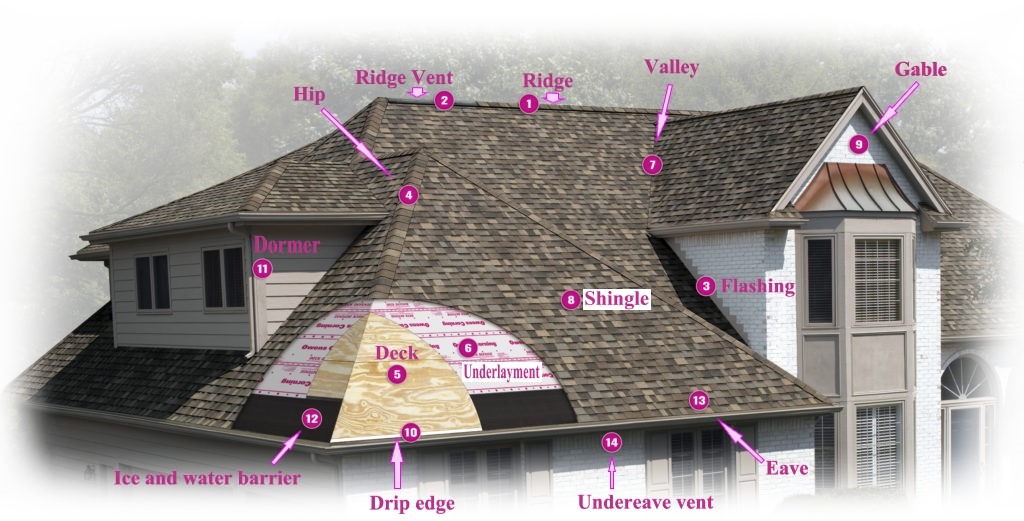
    Roof anatomy diagram showing labeled parts including ridge, shingles, underlayment, flashing, soffit, fascia, and gutters

    Why Roofing Terminology Matters

    Roofing projects are major investments. Miscommunication can lead to delays, extra costs, or confusion. Understanding these roofing terms in Middlesex County helps you ask the right questions and avoid being overcharged. Additionally, by learning the most common roofing terms, you’ll be able to

    • Ask the right questions during inspections.
    • Understand your roof’s structure and materials.
    • Communicate effectively with your contractor.
    • Make informed decisions about repair vs. replacement.

    Common Roofing Terms Explained — From Inspection to Replacement

    1. Roofing Materials

    Roofing glossary illustration showing labeled parts of a roof structure with key terms defined
    Figure A: Visual glossary of common roofing terms with labeled parts of a residential roof.
    • Asphalt: A bituminous waterproofing material applied to roofing materials during manufacturing.
    • Architectural Shingles: Laminated shingles containing more than one layer to create extra thickness; also called three-dimensional shingles.
    • Base Sheet: A product used as a base ply in self-adhering roll roofing systems.
    • Cap Sheet: Mineral-surfaced material used as the top layer of rolled roof covering systems.
    • Felt: Fibrous material saturated with asphalt, used as underlayment.
    • Fiberglass Mat: Core material in asphalt shingles made from glass fibers.
    • Granules: Ceramic-coated crushed rock applied to asphalt roofing products.
    • Mineral Stabilizers: Finely ground inert materials (e.g., limestone, slate) added to asphalt.
    • Mineral-Surfaced Roofing: Asphalt shingles/roll roofing covered with granules.
    • Mid-ply Sheet: See Base Sheet.
    • Roofing Tape: Asphalt-saturated tape used for flashing/patching.
    • SBS (Styrene-Butadiene-Styrene): Polymer mixed with asphalt for flexibility.
    • Underlayment: Asphalt-saturated felt or synthetic material beneath roofing.
    • Release Tape: Plastic strip preventing shingles from sticking together in bundles.

    2. Roofing Components & Accessories

    Roof anatomy diagram labeled as Glossary Fig B with roofing components such as ridge, soffit, fascia, and gutters
    Figure B: Anatomy of a roof with labeled glossary terms for easy homeowner reference.
    • Bundle: A package of shingles (3–5 bundles per square).
    • Collar (Vent Sleeve/Pipe Flashing): Flange over a vent pipe to seal around opening.
    • Counter Flashing: Flashing attached to vertical surfaces to keep water out.
    • Course: A row of shingles or roll roofing.
    • Coverage: Number of material layers between surface and deck.
    • Cricket: A peaked saddle at the back of chimneys to deflect water.
    • Deck (Sheathing): The surface (plywood/OSB) installed over framing.
    • Drip Edge: Material along eaves/rakes allowing water to drip clear of structure.
    • Eave: Horizontal lower edge of a sloped roof. (See Figure B.)
    • Flashing: Metal pieces preventing water seepage at roof intersections.
    • Gutter: Trough channeling water to downspouts.
    • Downspout (Leader): Pipe carrying water from gutters to ground.
    • Hip: External angle where two sloping roof planes meet. (See Figure B.)
    • Ridge: Uppermost horizontal angle where two roof planes meet. (See Figure B.)
    • Rake: Inclined edge of a sloped roof. (See Figure B.)
    • Soffit: Finished underside of the eaves.
    • Soil Stack: Vent pipe penetrating the roof.
    • Starter Strip: Asphalt roofing at the eave, adds protection at first course.
    • Step Flashing: Flashing used where a vertical surface meets sloped roof.
    • Tab: Exposed portion of strip shingles defined by cutouts. (See Figure A.)
    • Valley: Internal angle where two roof planes meet. (See Figure B.)
    • Vent: Outlet for air (pipe, stack, roof, gable, or soffit).

    3. Roof Types & Structures

    • Built-Up Roof (BUR): Flat/low-sloped roof with multiple asphalt layers.
    • Dormer: Framed window projecting through a sloping roof.
    • Gable: Upper triangular portion of a sidewall under a double sloped roof. (See Figure B.)
    • Gambrel Roof: Two-slope roof per side; lower steeper than upper.
    • Mansard Roof: Four-sided roof with steep lower slope, nearly vertical. (See Figure B.)
    • Overhang: Part of roof extending beyond exterior walls.
    • Rafter: Framing member sloping from ridge to wall plate.
    • Rise: Vertical distance from eaves to ridge.
    • Run: Horizontal distance from eaves to point under ridge.
    • Shed Roof: Roof with a single sloping plane.
    • Slope (Pitch): Roof incline ratio (rise/run).
    • Span: Horizontal distance from eave to eave.

    4. Roofing Methods & Construction Practices

    • Blisters: Bubbles on asphalt roofing after installation.
    • Caulk: Filler to seal joints and prevent leaks.
    • Chalk Line: Taut string with chalk for alignment.
    • Closed Cut Valley: Valley method where shingles overlap across valley.
    • Nesting: Reroofing method fitting new shingles against old ones.
    • Open Valley: Valley method where flashing is exposed.
    • Ply: A roofing layer (one-ply, two-ply).
    • Ponding: Water accumulation in roof low areas.
    • Reroofing: Removing and replacing an existing roof.
    • Shading: Color variations in shingles from manufacturing.
    • Single Coverage: One material layer over the deck.
    • Square: Roofing unit covering 100 sq. ft.
    • Tear Off: Removing existing roofing down to deck.
    • Telegraphing: Shingle distortion from uneven surfaces beneath.
    • Top Lap: Covered portion of roofing in installation.
    • Woven Valley: Valley method with shingles woven together, flashing not exposed.

    5. Roof Performance Issues

    • Ice Dam: Ice buildup at eaves forcing water under shingles.
    • Ponding: Standing water after rainfall.
    • Blisters: Bubbles in asphalt roofing surface.
    • Telegraphing: Visible distortions caused by uneven substrates.

    6. Measurement & Standards

    • Square: Unit of measure = 100 sq. ft. of roof area.
    • UL (Underwriters Laboratories, LLC): Independent testing and safety standards.

    Source: Owens Corning Roofing Glossary


    Local Insight: Why Homeowners in Middlesex County Should Know These Terms

    In communities like Highland Park, Edison, and East Brunswick, older homes often need reroofing or updates to modern materials. Meanwhile, newer developments in Princeton and Monmouth may require architectural shingles, ice & water barriers, or advanced ventilation to prevent issues like ice dams in New Jersey winters.

    By understanding this glossary, Middlesex County homeowners can confidently compare roofing quotes, understand the scope of work, and ensure their contractor uses proper materials and installation methods.


    Need Help Understanding Your Roof in Middlesex County?

    If you live in Highland Park, Edison, Metuchen, East Brunswick, Princeton, or Monmouth and want expert advice, our team at Eleven Exterior can walk you through your roofing project step by step. From explaining terminology to showing you material samples, we make sure every homeowner feels informed and comfortable before we begin work.

    📞 Call us today at 201-800-5856 or click below to schedule your free roof inspection.

    Eleven Exterior roofing and siding company logo
    Proudly serving New Jersey & Pennsylvania homeowners since 2006.
  • What is an Ice Dam? Protecting Bergen County Homes from Winter Roof Damage

    What is an Ice Dam? Protecting Bergen County Homes from Winter Roof Damage

    Ice dams in Bergen County are one of the most common causes of winter roof damage in New Jersey — and most homeowners don’t spot them until it’s too late.

    If you live in Bergen County, NJ — whether it’s Alpine, Franklin Lakes, Upper Saddle River, Tenafly, or any of our nearby communities — you know winter can be beautiful but also harsh on your roof. One of the most common cold-weather problems homeowners face is an ice dam. Left unchecked, it can lead to costly leaks, ceiling stains, and long-term roof damage.

    Ice dam on a snow-covered shingle roof in Bergen County, NJ with icicles along the eaves and trapped meltwater.

    What is an Ice Dam?

    Homeowners dealing with ice dams in Bergen County often don’t realize the damage until spring — when leaks appear inside the home.

    An ice dam is a thick ridge of ice that forms along the edge of your roof. It happens when heat escapes from your home, melts the snow on your roof, and that meltwater refreezes at the colder roof edges or eaves. The result? Water becomes trapped behind the ice, pooling on the roof instead of draining off — eventually finding its way inside.

    That’s why many Bergen County homeowners notice icicles forming along the roofline in winter. Pretty to look at, but often a warning sign of a much bigger issue.


    1. What Causes Ice Dams in Bergen County NJ

    The main culprit is uneven roof surface temperatures.

    • Warm air rises into the attic, creating hot spots on the roof.
    • Snow melts over those spots and flows down to the colder overhangs.
    • The meltwater freezes again, forming an ice wall.
    • As more snow melts and runs down, the ice dam grows larger — trapping water behind it.

    This water has nowhere to go but under shingles, through cracks, and into your home. That’s why Bergen County homeowners often find water stains on ceilings after a snowy winter. If you’ve noticed icicles forming along your roofline, it’s a likely sign that ice dams may already be causing damage underneath.

    👉 If you see these warning signs, contact professional roofing contractors like Eleven Exterior, Inc. for a free inspection before it causes major damage.


    2. How to Prevent Ice Dams: Ventilation, Insulation & Barriers

    You can’t stop the snow, but you can stop ice dams from forming by keeping your roof’s temperature consistent.

    Educational diagram comparing roof conditions low risk and high risk ice dam, showing heat loss, water leaks, and protection with insulation and ice & water shield.
    Cross-section diagram showing how poor attic insulation and heat loss cause ice dams and leaks, versus how proper insulation, ventilation, and an ice & water shield prevent damage.

    Smart Prevention Steps:

    • Proper Attic Ventilation – allows hot air to escape.
    • Adequate Insulation – keeps warm air inside your home, not your attic.
    • Sealing Cracks & Leaks – eliminates unwanted hot spots.
    • Ice & Water Shield Underlayment – an extra protective layer roofing contractors install to stop leaks even if ice dams form.

    While some homeowners try shoveling or raking snow, this is only a temporary fix — and climbing onto an icy roof in Bergen County winters is unsafe. The real solution is addressing ventilation, insulation, and protective barriers so your roof stays strong year after year.


    Bergen County Ice Dam Damage — What to Do Next

    From Alpine and Franklin Lakes to Ridgewood, Wyckoff, and Ho-Ho-Kus, Bergen County homes face tough winters. Ice dams don’t just damage roofs — they threaten siding, gutters, and even the interior of your home.

    At Eleven Exterior, Owens Corning Preferred Contractor, we’ve helped homeowners across Bergen County stop leaks, replace damaged roofing, and install ice and water barriers for long-lasting protection.

    📞 Call us today at 201-800-5856 or click below to schedule your free winter roof inspection.

    Eleven Exterior roofing and siding company logo
    Proudly serving New Jersey & Pennsylvania homeowners since 2006.
  • Key Signs of Roof Damage Every Homeowner Should Watch For

    Key Signs of Roof Damage Every Homeowner Should Watch For

    Knowing the signs of roof damage in NJ early can save thousands in repairs down the road.

    Your roof does more than just cover your home — it protects your family, belongings, and investment. A strong roof keeps out rain, snow, and wind, helps regulate indoor temperatures, and preserves your property’s value. But like all parts of a home, roofs don’t last forever.

    The challenge? Roof problems often start small and can be difficult for homeowners to spot until major damage has already occurred. That’s why knowing the early warning signs of roof damage is critical.

    In this guide, our experts at Eleven Exterior share the most common indicators that your roof needs attention. Whether you live in Middlesex County, Lehigh Valley, or any other areas in New Jersey and Pennsylvania, these tips will help you catch problems early and avoid expensive repairs.

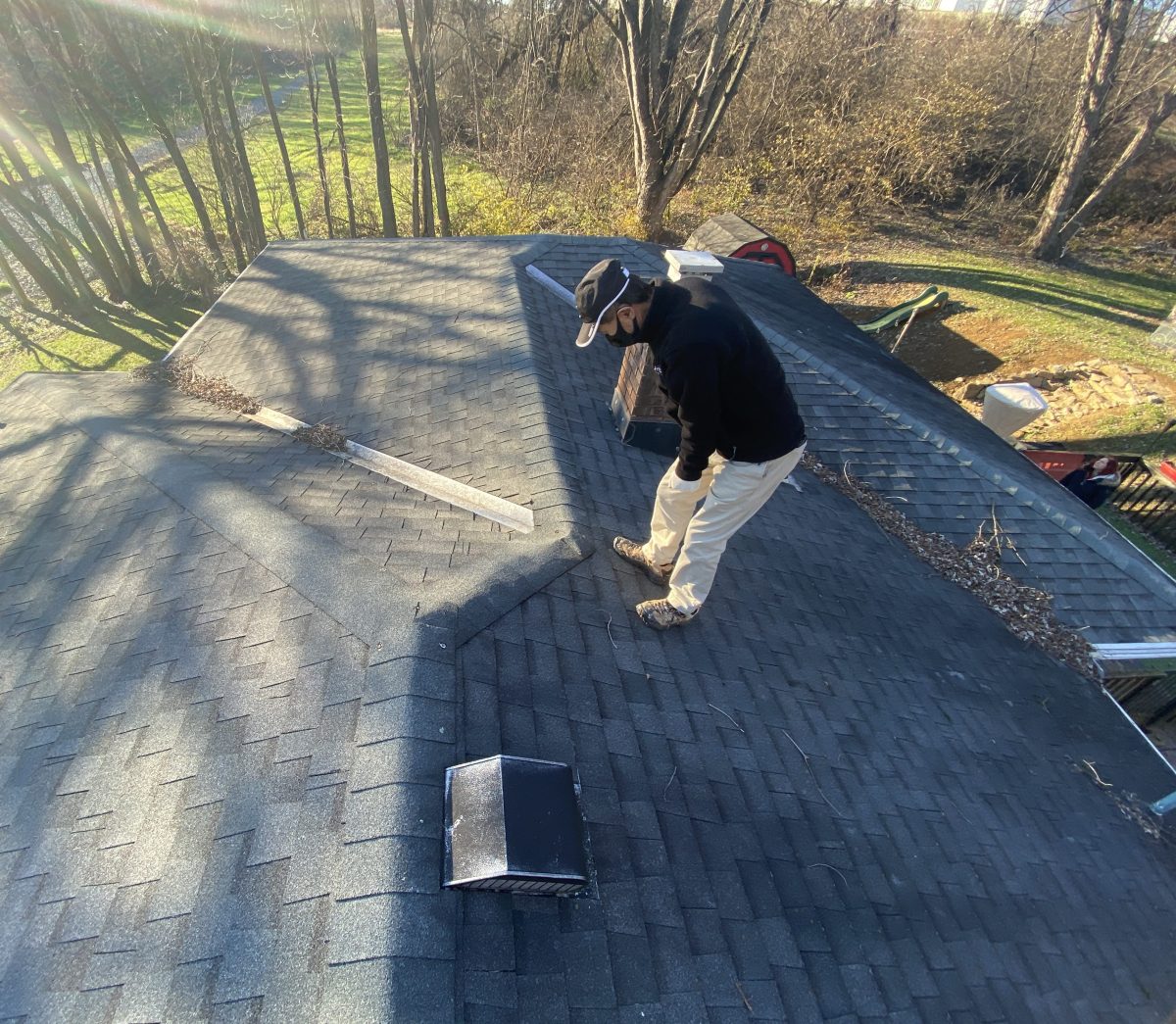
    Roof inspector from Eleven Exterior conducting a professional roof inspection on a residential home in Easton, PA

    1. Age of the Roof: Older Roofs Are More Vulnerable

    Every roofing system has a natural lifespan. Once it nears the end of that lifespan, issues like leaks, granule loss, and sagging become much more likely. Here’s a quick reference from our Roof Cost in Essex County blog guide:

    Roofing MaterialAverage Lifespan
    Asphalt Shingles15 – 30 years
    Metal (Standing Seam)50 – 100+ years
    Cedar Shakes20 – 50 years
    Slate Tiles50 – 200+ years
    Modified Bitumen (Flat Roofing)10 – 20+ years
    EPDM (Flat Roofing)20 – 30 years
    TPO (Flat Roofing)15 – 30 years

    If your roof is nearing the end of its expected service life, it’s wise to schedule a professional inspection. Even if it looks fine from the ground, aging roofs are more prone to leaks, granule loss, and hidden damage.

    👉 For a full cost breakdown and more details on lifespan by material, check out our Roof Cost in Essex County blog.


    2. Water Stains or Leaks Indoors

    One of the easiest warning signs to spot is a water stain on your ceiling or walls. These stains often appear as yellow or brown rings. Left unchecked, even a minor leak can:

    • Damage drywall and insulation
    • Create mold growth and musty odors
    • Weaken wood framing and structural supports
    • Increase risk of electrical problems
    Yellow ceiling water stain caused by roof leak signs of roof damage NJ Eleven Exterior

    Brown or yellow spots on your ceiling or walls often point to roof leaks. Look out for:

    • Bubbling paint or drywall
    • Mold or musty smells in the attic
    • Damp insulation or warped wood framing

    Pro Tip: If you notice water spots after heavy rain or snow, it’s likely roof-related. Don’t wait — call a professional to determine if the leak is coming from missing shingles, flashing failures, or ice dams.

    If you’re seeing any of these signs of roof damage, schedule a free inspection before the problem spreads.


    3. Missing or Damaged Shingles, Tiles, or Panels

    Shingles protect your roof deck from the elements. When they’re cracked, curled, or missing, water finds its way in.

    Common signs include:

    • Creased shingles from wind damage
    • Curling shingles caused by poor attic ventilation
    • Loose or missing tiles on slate and clay roofs
    • Metal roof panels pulling away at seams

    Even one missing shingle can leave your roof exposed. In storm-prone areas like New Jersey and Pennsylvania, this is especially common after high winds or hail.


    4. Granules in Gutters

    Asphalt shingles are coated with protective granules. These granules provide UV protection and help extend roof life. If you notice granules collecting in your gutters or driveway, your shingles may be breaking down.

    Without granules, your roof wears out much faster. This is a sign you should plan for replacement within the next few years.


    5. Sagging or Dipping Roofline

    A sagging roofline is one of the most serious signs of structural trouble. Causes often include:

    • Weak or rotted decking
    • Excessive moisture buildup
    • Damaged support beams or rafters
    • Poor installation with undersized materials

    If you notice dips or uneven sections in your roof, don’t wait. This can lead to partial collapse. Call a roofing professional immediately to inspect and recommend necessary repairs or replacement.


    6. Signs of Roof Damage NJ Homeowners Miss Most

    Flashing Damage Around Chimneys, Skylights, or Vents

    These are the most common signs of roof damage NJ homeowners overlook until it’s too late.

    Flashing is the thin metal material that seals edges and prevents water intrusion around chimneys, skylights, and vents. When flashing becomes loose or rusted, leaks are inevitable.

    Damaged chimney flashing with visible gaps on asphalt shingle roof; signs of roof damage NJ Eleven Exterior

    Homeowners in NJ and PA should pay close attention to flashing after winter storms or ice dam formation — these freeze-thaw cycles are especially damaging.


    7. Moss, Algae, or Mold Growth

    Asphalt shingle roof with heavy moss and lichen growth signs of roof damage NJ Eleven Exterior

    Dark streaks on shingles or green patches of moss are not just cosmetic issues. They indicate trapped moisture, which can:

    • Shorten your roof’s lifespan
    • Lift shingles and allow leaks
    • Encourage wood rot underneath the surface

    Professional roof cleaning and proper ventilation help prevent growth.


    Why Early Detection Matters

    Roof damage often begins subtly but escalates quickly. What looks like a minor issue from the ground may be hiding significant water intrusion or structural damage underneath. By scheduling routine inspections, you can:

    • Catch problems early before they become emergencies
    • Extend the lifespan of your roof
    • Save money by preventing larger repairs or replacements

    What to Do When You Spot Signs of Roof Damage in NJ

    Schedule a Free Roof Inspection

    If you notice any of these warning signs — or even if you’re just unsure — it’s best to schedule a professional inspection. At Eleven Exterior, we proudly serve homeowners from our two offices in Highland Park, NJ and Macungie, PA.

    We provide:

    • Free, no-obligation inspections
    • Transparent repair vs. replacement recommendations
    • Service across Middlesex County, Lehigh Valley, and surrounding areas
    • Licensed, insured, and GAF-certified roofing experts

    📞 Call us today at 201-800-5856 or request your free inspection online at http://www.elevenexterior.com.

    Owens Corning Preferred Contractor

    Protect your home before small problems become major headaches.


    Eleven Exterior roofing and siding company logo

    Protect your home with confidence — Eleven Exterior has your roof covered.
    ✔ Since 2006 | ✔ Local Experts | ✔ Licensed & Certified