Tag: Middlesex County roofing

  • Roofing Terminology Every Middlesex County Homeowner Should Know

    Roofing Terminology Every Middlesex County Homeowner Should Know

    When you’re working with a roofing contractor in Middlesex County—whether you live in Highland Park, Edison, Metuchen, East Brunswick, Princeton, or Monmouth—you may hear industry-specific terms that sound unfamiliar. While you can always ask your roofer to explain, having a clear understanding of roofing terminology helps you feel confident when discussing inspections, repairs, or replacements.

    This glossary covers the roofing terms Middlesex County homeowners encounter most during inspections and replacements. This complete list of roofing terms will come in handy when you plan for roofing or siding projects—covering shingles, roof structures, drainage, weather protection, and installation practices. It’s designed for homeowners in Central New Jersey who want to make informed decisions during roof repairs or replacements.

    Roof anatomy diagram showing labeled parts including ridge, shingles, underlayment, flashing, soffit, fascia, and gutters

    Why Roofing Terminology Matters

    Roofing projects are major investments. Miscommunication can lead to delays, extra costs, or confusion. Understanding these roofing terms in Middlesex County helps you ask the right questions and avoid being overcharged. Additionally, by learning the most common roofing terms, you’ll be able to

    • Ask the right questions during inspections.
    • Understand your roof’s structure and materials.
    • Communicate effectively with your contractor.
    • Make informed decisions about repair vs. replacement.

    Common Roofing Terms Explained — From Inspection to Replacement

    1. Roofing Materials

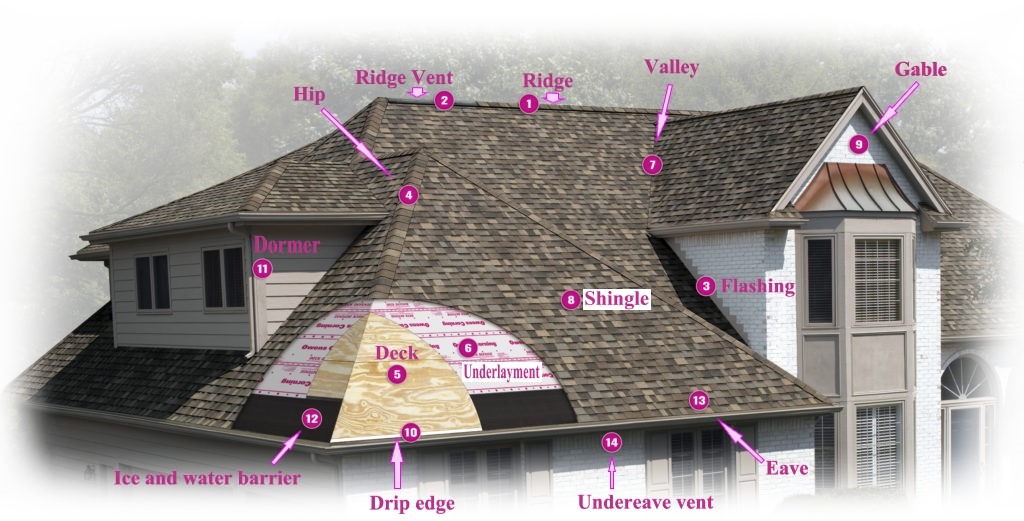
    Roofing glossary illustration showing labeled parts of a roof structure with key terms defined
    Figure A: Visual glossary of common roofing terms with labeled parts of a residential roof.
    • Asphalt: A bituminous waterproofing material applied to roofing materials during manufacturing.
    • Architectural Shingles: Laminated shingles containing more than one layer to create extra thickness; also called three-dimensional shingles.
    • Base Sheet: A product used as a base ply in self-adhering roll roofing systems.
    • Cap Sheet: Mineral-surfaced material used as the top layer of rolled roof covering systems.
    • Felt: Fibrous material saturated with asphalt, used as underlayment.
    • Fiberglass Mat: Core material in asphalt shingles made from glass fibers.
    • Granules: Ceramic-coated crushed rock applied to asphalt roofing products.
    • Mineral Stabilizers: Finely ground inert materials (e.g., limestone, slate) added to asphalt.
    • Mineral-Surfaced Roofing: Asphalt shingles/roll roofing covered with granules.
    • Mid-ply Sheet: See Base Sheet.
    • Roofing Tape: Asphalt-saturated tape used for flashing/patching.
    • SBS (Styrene-Butadiene-Styrene): Polymer mixed with asphalt for flexibility.
    • Underlayment: Asphalt-saturated felt or synthetic material beneath roofing.
    • Release Tape: Plastic strip preventing shingles from sticking together in bundles.

    2. Roofing Components & Accessories

    Roof anatomy diagram labeled as Glossary Fig B with roofing components such as ridge, soffit, fascia, and gutters
    Figure B: Anatomy of a roof with labeled glossary terms for easy homeowner reference.
    • Bundle: A package of shingles (3–5 bundles per square).
    • Collar (Vent Sleeve/Pipe Flashing): Flange over a vent pipe to seal around opening.
    • Counter Flashing: Flashing attached to vertical surfaces to keep water out.
    • Course: A row of shingles or roll roofing.
    • Coverage: Number of material layers between surface and deck.
    • Cricket: A peaked saddle at the back of chimneys to deflect water.
    • Deck (Sheathing): The surface (plywood/OSB) installed over framing.
    • Drip Edge: Material along eaves/rakes allowing water to drip clear of structure.
    • Eave: Horizontal lower edge of a sloped roof. (See Figure B.)
    • Flashing: Metal pieces preventing water seepage at roof intersections.
    • Gutter: Trough channeling water to downspouts.
    • Downspout (Leader): Pipe carrying water from gutters to ground.
    • Hip: External angle where two sloping roof planes meet. (See Figure B.)
    • Ridge: Uppermost horizontal angle where two roof planes meet. (See Figure B.)
    • Rake: Inclined edge of a sloped roof. (See Figure B.)
    • Soffit: Finished underside of the eaves.
    • Soil Stack: Vent pipe penetrating the roof.
    • Starter Strip: Asphalt roofing at the eave, adds protection at first course.
    • Step Flashing: Flashing used where a vertical surface meets sloped roof.
    • Tab: Exposed portion of strip shingles defined by cutouts. (See Figure A.)
    • Valley: Internal angle where two roof planes meet. (See Figure B.)
    • Vent: Outlet for air (pipe, stack, roof, gable, or soffit).

    3. Roof Types & Structures

    • Built-Up Roof (BUR): Flat/low-sloped roof with multiple asphalt layers.
    • Dormer: Framed window projecting through a sloping roof.
    • Gable: Upper triangular portion of a sidewall under a double sloped roof. (See Figure B.)
    • Gambrel Roof: Two-slope roof per side; lower steeper than upper.
    • Mansard Roof: Four-sided roof with steep lower slope, nearly vertical. (See Figure B.)
    • Overhang: Part of roof extending beyond exterior walls.
    • Rafter: Framing member sloping from ridge to wall plate.
    • Rise: Vertical distance from eaves to ridge.
    • Run: Horizontal distance from eaves to point under ridge.
    • Shed Roof: Roof with a single sloping plane.
    • Slope (Pitch): Roof incline ratio (rise/run).
    • Span: Horizontal distance from eave to eave.

    4. Roofing Methods & Construction Practices

    • Blisters: Bubbles on asphalt roofing after installation.
    • Caulk: Filler to seal joints and prevent leaks.
    • Chalk Line: Taut string with chalk for alignment.
    • Closed Cut Valley: Valley method where shingles overlap across valley.
    • Nesting: Reroofing method fitting new shingles against old ones.
    • Open Valley: Valley method where flashing is exposed.
    • Ply: A roofing layer (one-ply, two-ply).
    • Ponding: Water accumulation in roof low areas.
    • Reroofing: Removing and replacing an existing roof.
    • Shading: Color variations in shingles from manufacturing.
    • Single Coverage: One material layer over the deck.
    • Square: Roofing unit covering 100 sq. ft.
    • Tear Off: Removing existing roofing down to deck.
    • Telegraphing: Shingle distortion from uneven surfaces beneath.
    • Top Lap: Covered portion of roofing in installation.
    • Woven Valley: Valley method with shingles woven together, flashing not exposed.

    5. Roof Performance Issues

    • Ice Dam: Ice buildup at eaves forcing water under shingles.
    • Ponding: Standing water after rainfall.
    • Blisters: Bubbles in asphalt roofing surface.
    • Telegraphing: Visible distortions caused by uneven substrates.

    6. Measurement & Standards

    • Square: Unit of measure = 100 sq. ft. of roof area.
    • UL (Underwriters Laboratories, LLC): Independent testing and safety standards.

    Source: Owens Corning Roofing Glossary


    Local Insight: Why Homeowners in Middlesex County Should Know These Terms

    In communities like Highland Park, Edison, and East Brunswick, older homes often need reroofing or updates to modern materials. Meanwhile, newer developments in Princeton and Monmouth may require architectural shingles, ice & water barriers, or advanced ventilation to prevent issues like ice dams in New Jersey winters.

    By understanding this glossary, Middlesex County homeowners can confidently compare roofing quotes, understand the scope of work, and ensure their contractor uses proper materials and installation methods.


    Need Help Understanding Your Roof in Middlesex County?

    If you live in Highland Park, Edison, Metuchen, East Brunswick, Princeton, or Monmouth and want expert advice, our team at Eleven Exterior can walk you through your roofing project step by step. From explaining terminology to showing you material samples, we make sure every homeowner feels informed and comfortable before we begin work.

    📞 Call us today at 201-800-5856 or click below to schedule your free roof inspection.

    Eleven Exterior roofing and siding company logo
    Proudly serving New Jersey & Pennsylvania homeowners since 2006.
  • Key Signs of Roof Damage Every Homeowner Should Watch For

    Key Signs of Roof Damage Every Homeowner Should Watch For

    Knowing the signs of roof damage in NJ early can save thousands in repairs down the road.

    Your roof does more than just cover your home — it protects your family, belongings, and investment. A strong roof keeps out rain, snow, and wind, helps regulate indoor temperatures, and preserves your property’s value. But like all parts of a home, roofs don’t last forever.

    The challenge? Roof problems often start small and can be difficult for homeowners to spot until major damage has already occurred. That’s why knowing the early warning signs of roof damage is critical.

    In this guide, our experts at Eleven Exterior share the most common indicators that your roof needs attention. Whether you live in Middlesex County, Lehigh Valley, or any other areas in New Jersey and Pennsylvania, these tips will help you catch problems early and avoid expensive repairs.

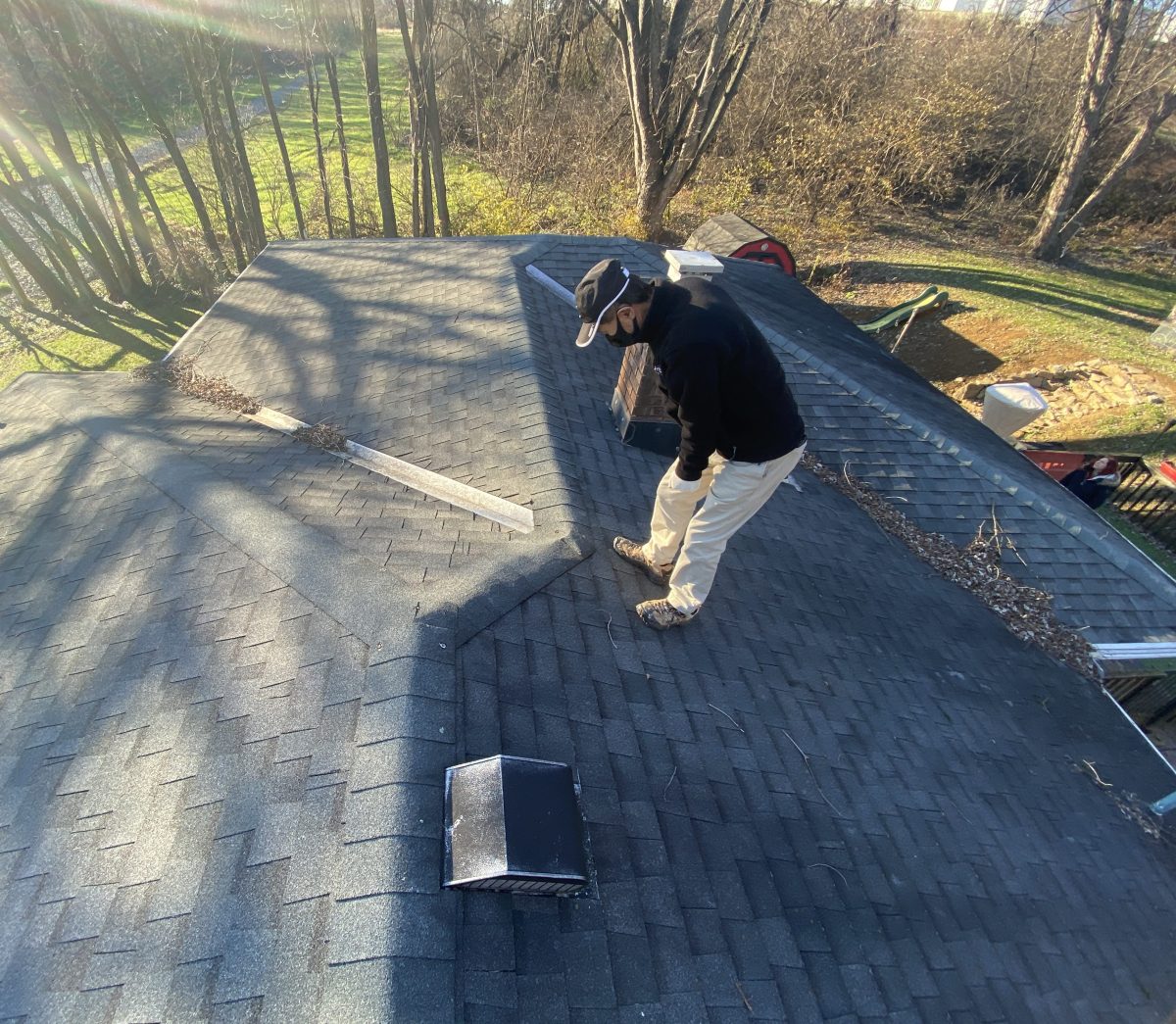
    Roof inspector from Eleven Exterior conducting a professional roof inspection on a residential home in Easton, PA

    1. Age of the Roof: Older Roofs Are More Vulnerable

    Every roofing system has a natural lifespan. Once it nears the end of that lifespan, issues like leaks, granule loss, and sagging become much more likely. Here’s a quick reference from our Roof Cost in Essex County blog guide:

    Roofing MaterialAverage Lifespan
    Asphalt Shingles15 – 30 years
    Metal (Standing Seam)50 – 100+ years
    Cedar Shakes20 – 50 years
    Slate Tiles50 – 200+ years
    Modified Bitumen (Flat Roofing)10 – 20+ years
    EPDM (Flat Roofing)20 – 30 years
    TPO (Flat Roofing)15 – 30 years

    If your roof is nearing the end of its expected service life, it’s wise to schedule a professional inspection. Even if it looks fine from the ground, aging roofs are more prone to leaks, granule loss, and hidden damage.

    👉 For a full cost breakdown and more details on lifespan by material, check out our Roof Cost in Essex County blog.


    2. Water Stains or Leaks Indoors

    One of the easiest warning signs to spot is a water stain on your ceiling or walls. These stains often appear as yellow or brown rings. Left unchecked, even a minor leak can:

    • Damage drywall and insulation
    • Create mold growth and musty odors
    • Weaken wood framing and structural supports
    • Increase risk of electrical problems
    Yellow ceiling water stain caused by roof leak signs of roof damage NJ Eleven Exterior

    Brown or yellow spots on your ceiling or walls often point to roof leaks. Look out for:

    • Bubbling paint or drywall
    • Mold or musty smells in the attic
    • Damp insulation or warped wood framing

    Pro Tip: If you notice water spots after heavy rain or snow, it’s likely roof-related. Don’t wait — call a professional to determine if the leak is coming from missing shingles, flashing failures, or ice dams.

    If you’re seeing any of these signs of roof damage, schedule a free inspection before the problem spreads.


    3. Missing or Damaged Shingles, Tiles, or Panels

    Shingles protect your roof deck from the elements. When they’re cracked, curled, or missing, water finds its way in.

    Common signs include:

    • Creased shingles from wind damage
    • Curling shingles caused by poor attic ventilation
    • Loose or missing tiles on slate and clay roofs
    • Metal roof panels pulling away at seams

    Even one missing shingle can leave your roof exposed. In storm-prone areas like New Jersey and Pennsylvania, this is especially common after high winds or hail.


    4. Granules in Gutters

    Asphalt shingles are coated with protective granules. These granules provide UV protection and help extend roof life. If you notice granules collecting in your gutters or driveway, your shingles may be breaking down.

    Without granules, your roof wears out much faster. This is a sign you should plan for replacement within the next few years.


    5. Sagging or Dipping Roofline

    A sagging roofline is one of the most serious signs of structural trouble. Causes often include:

    • Weak or rotted decking
    • Excessive moisture buildup
    • Damaged support beams or rafters
    • Poor installation with undersized materials

    If you notice dips or uneven sections in your roof, don’t wait. This can lead to partial collapse. Call a roofing professional immediately to inspect and recommend necessary repairs or replacement.


    6. Signs of Roof Damage NJ Homeowners Miss Most

    Flashing Damage Around Chimneys, Skylights, or Vents

    These are the most common signs of roof damage NJ homeowners overlook until it’s too late.

    Flashing is the thin metal material that seals edges and prevents water intrusion around chimneys, skylights, and vents. When flashing becomes loose or rusted, leaks are inevitable.

    Damaged chimney flashing with visible gaps on asphalt shingle roof; signs of roof damage NJ Eleven Exterior

    Homeowners in NJ and PA should pay close attention to flashing after winter storms or ice dam formation — these freeze-thaw cycles are especially damaging.


    7. Moss, Algae, or Mold Growth

    Asphalt shingle roof with heavy moss and lichen growth signs of roof damage NJ Eleven Exterior

    Dark streaks on shingles or green patches of moss are not just cosmetic issues. They indicate trapped moisture, which can:

    • Shorten your roof’s lifespan
    • Lift shingles and allow leaks
    • Encourage wood rot underneath the surface

    Professional roof cleaning and proper ventilation help prevent growth.


    Why Early Detection Matters

    Roof damage often begins subtly but escalates quickly. What looks like a minor issue from the ground may be hiding significant water intrusion or structural damage underneath. By scheduling routine inspections, you can:

    • Catch problems early before they become emergencies
    • Extend the lifespan of your roof
    • Save money by preventing larger repairs or replacements

    What to Do When You Spot Signs of Roof Damage in NJ

    Schedule a Free Roof Inspection

    If you notice any of these warning signs — or even if you’re just unsure — it’s best to schedule a professional inspection. At Eleven Exterior, we proudly serve homeowners from our two offices in Highland Park, NJ and Macungie, PA.

    We provide:

    • Free, no-obligation inspections
    • Transparent repair vs. replacement recommendations
    • Service across Middlesex County, Lehigh Valley, and surrounding areas
    • Licensed, insured, and GAF-certified roofing experts

    📞 Call us today at 201-800-5856 or request your free inspection online at www.elevenexterior.com.

    Owens Corning Preferred Contractor

    Protect your home before small problems become major headaches.


    Eleven Exterior roofing and siding company logo

    Protect your home with confidence — Eleven Exterior has your roof covered.
    ✔ Since 2006 | ✔ Local Experts | ✔ Licensed & Certified